
This introductory three-hour session raises awareness of young people’s mental health.
It covers:
- Some of the common mental health issues affecting young people, including depression, anxiety, eating disorders and psychosis.
- Skills to work more effectively with young people living with mental health issues.
- Ways to support young people with a mental health issue and relate to their experiences.
What to expect
You will get a manual to keep and refer to whenever you need it. When you complete the session, you will get a certificate to say you are Youth Mental Health Aware.
Learning takes place through a mix of presentations, group discussions and workshop activities.
Who is it for: Community sport project leaders, coaches and volunteers
Cost: £850
Training Academy Enquiry Form
Fill out our training enquiry form if you are you looking to book a course exclusively for your organisation or if you would like to discuss something more bespoke.
Other Health and Wellbeing Training Materials
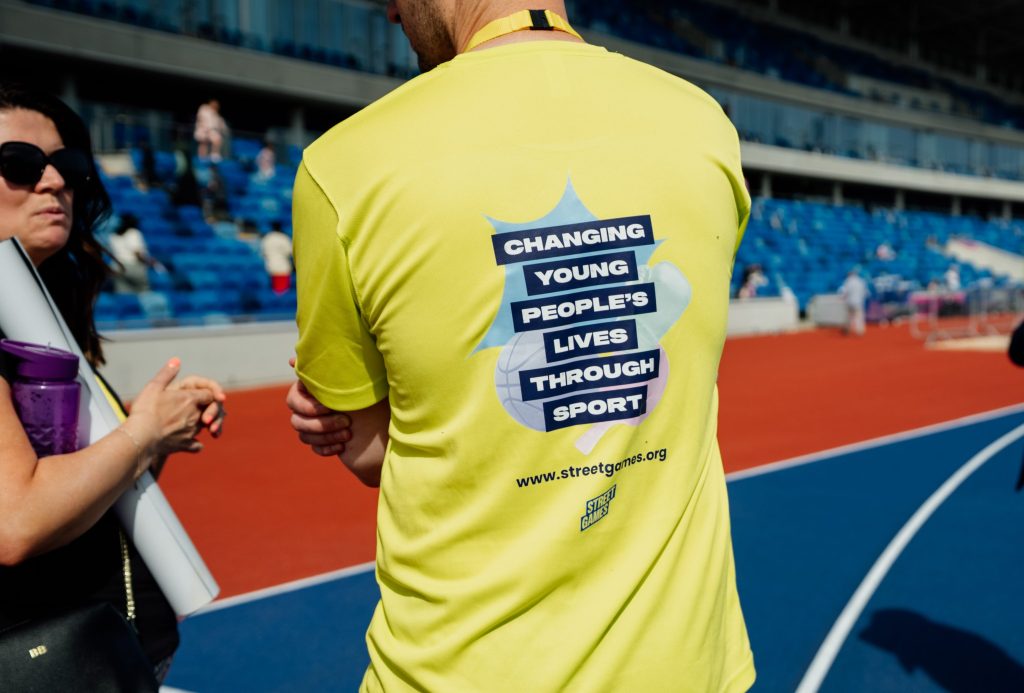
Mental Health in Community Sport
This workshops raises awareness of young people’s mental health in community sport settings. Designed for community sport project leaders, coaches and volunteers, the workshop builds confidence, knowledge and practical skills to help participants better recognise, understand and support young people who may be experiencing a decline in their mental health.
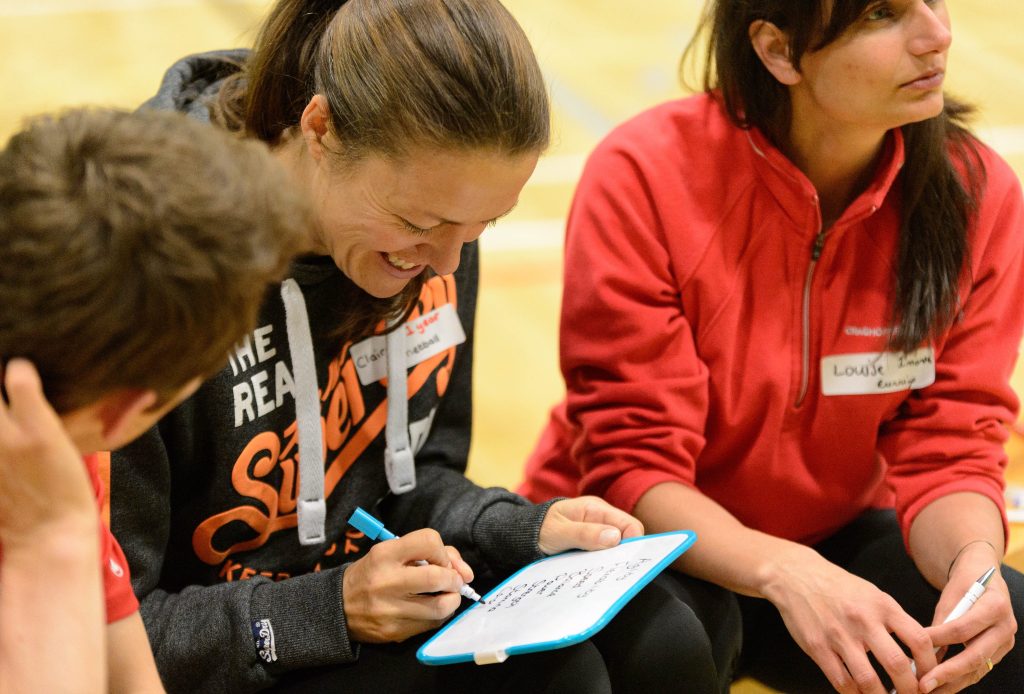
Therapeutic Youth Work Through Sports Practice
A practical introduction to the R.E.A.C.H. approach, helping practitioners use sport to build trust, support wellbeing and create safe, therapeutic spaces for young people.
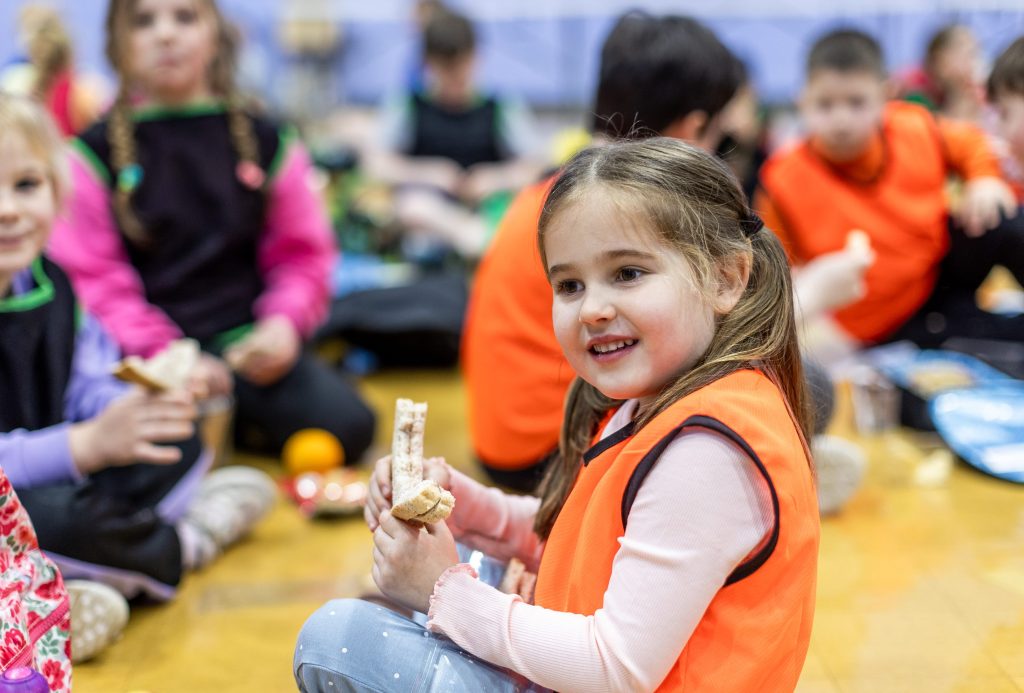
Let’s Talk About Food
Establishing a Sport with Food Offer is an interactive workshop designed to help organisations create engaging, youth‑centred food provision within Doorstep Sport settings. Through practical activities, discussion, and evidence‑based guidance, participants will explore good‑practice standards, positive ways to talk about food with young people, and approaches for developing an inclusive, progressive food offer.
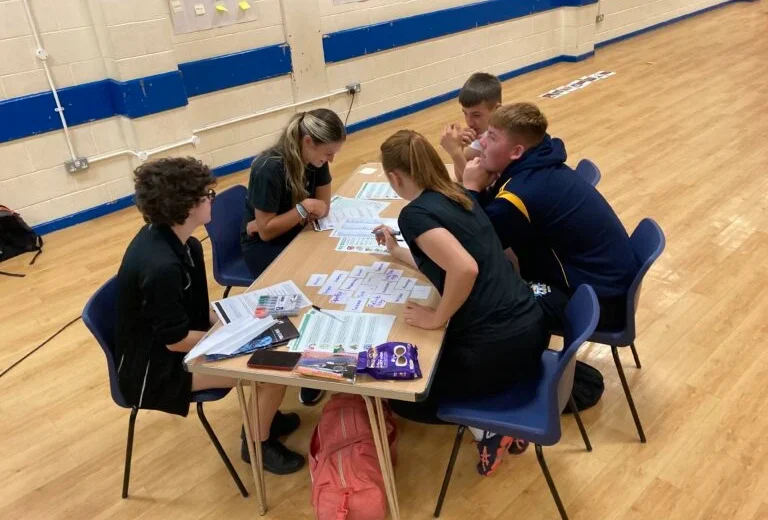
Youth Mental Health First Aid Awareness
A three-hour Youth Mental Health Awareness session for community sport leaders, coaches and volunteers. Learn about common mental health issues, develop skills to support young people, and gain practical strategies. Includes a take-home manual and certificate of completion.